History & Lore
The Eagle, Globe & Anchor
The emblem wasn't born - it evolved, argument by argument, board by board, for nearly two centuries. Sourced from the Marine Corps historical monograph The Eagle, Globe, and Anchor 1868–1968.
{{ slideText }}
Lore every Marine carries
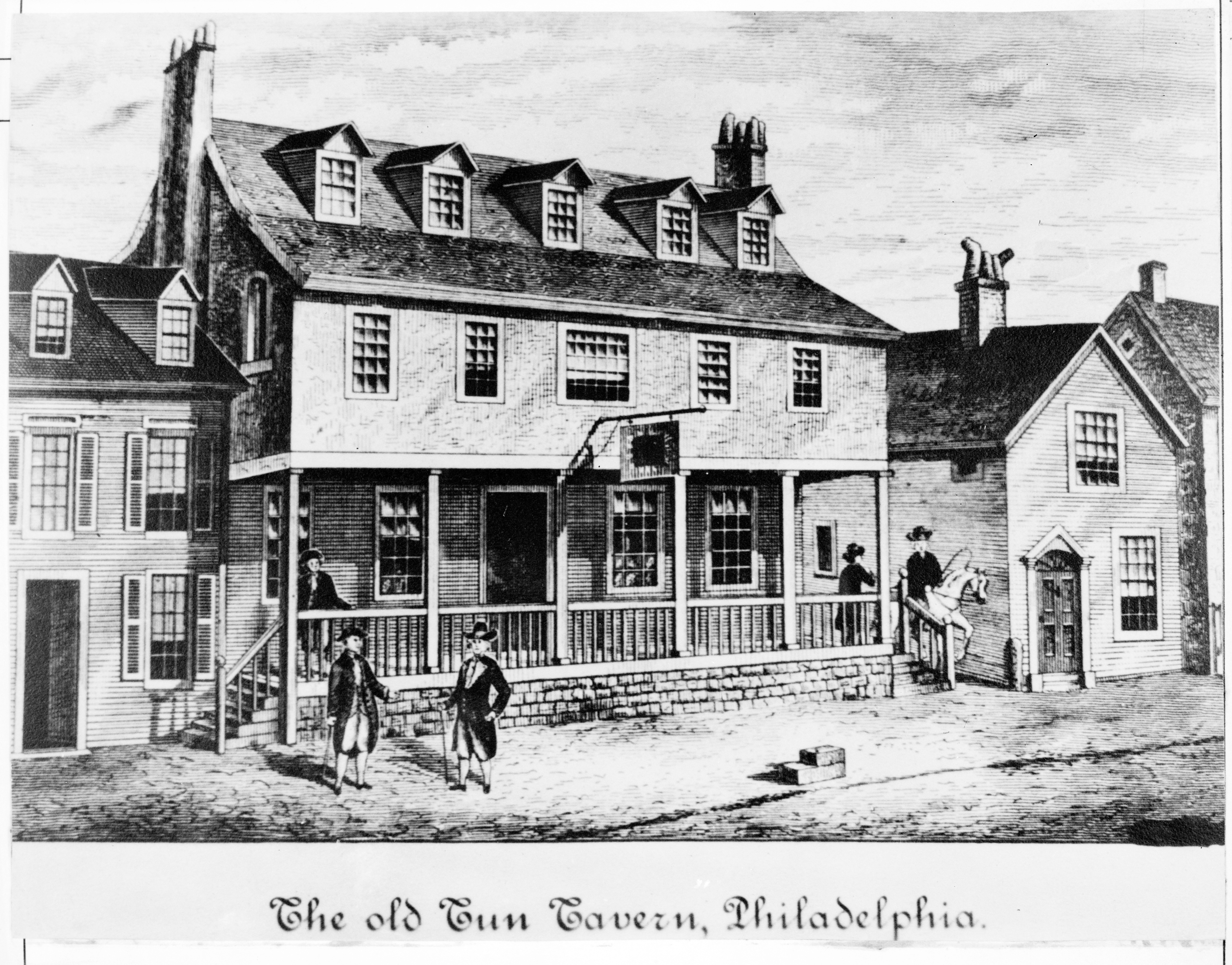
10 November 1775: the Continental Congress orders two battalions of Marines raised. Recruiting begins at Tun Tavern, Philadelphia - proprietor Robert Mullan signing up anyone tough enough over a tankard. We've felt at home in taverns ever since. (See: our meeting location.)
_(14579238959).jpg)
June 1918: Marines take Belleau Wood yard by yard. Legend says the Germans called them Teufel Hunden - devil dogs. In the village stands the Devil Dog Fountain; tradition holds a Marine who drinks from its bulldog-head spout gains twenty more years in the Corps. One Sugar River founding member has. Ask around at chow.
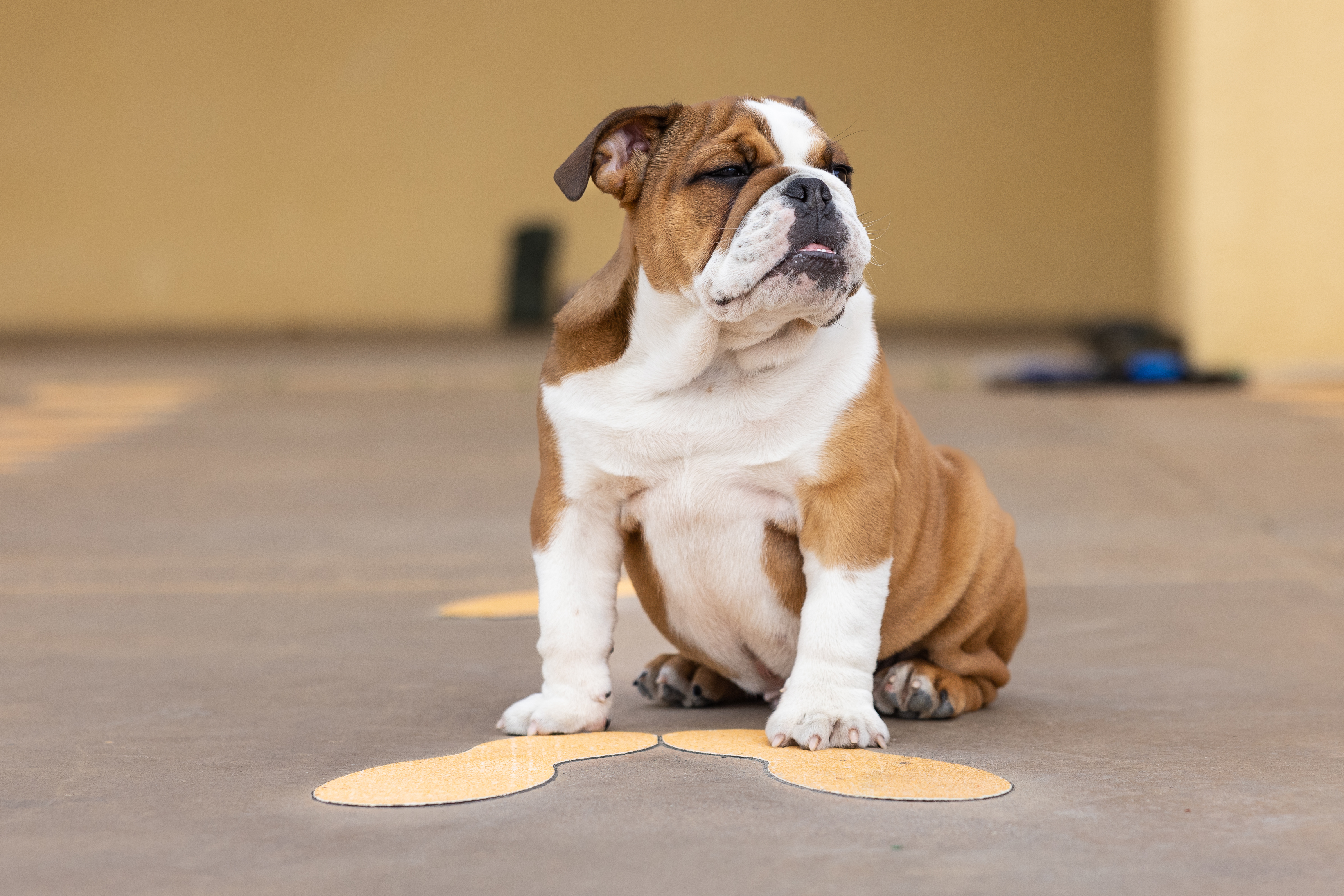
Since 1922 the Corps has kept an English bulldog on the rolls - every one named Chesty since 1957, after LtGen Lewis B. "Chesty" Puller, the most decorated Marine in history: five Navy Crosses. Somewhere on this site, Chesty is hiding with a word of motivation. Find him.
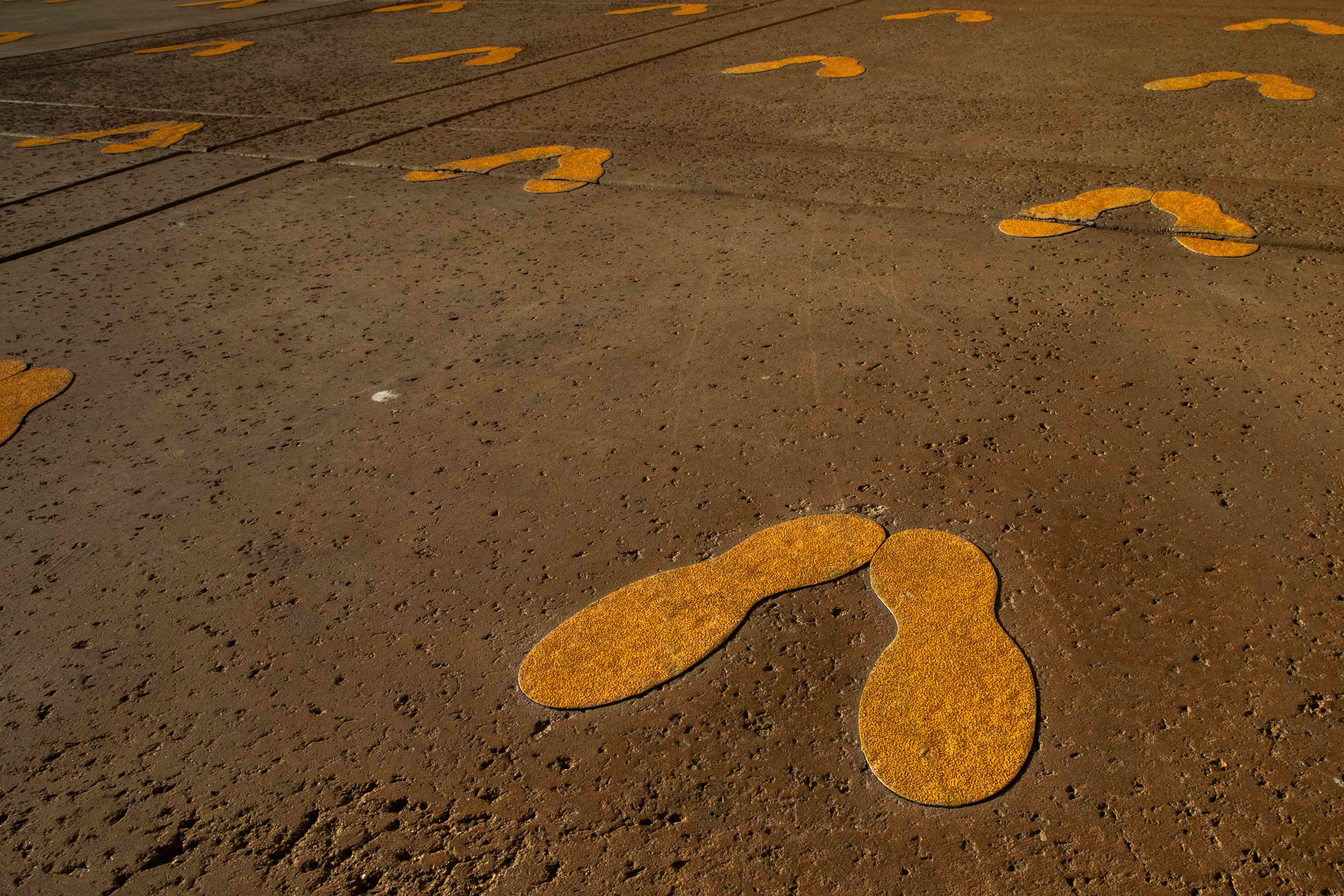
Every Marine's first formation: heels together, feet at 45 degrees, painted on the pavement at Parris Island and San Diego. You stand on them once, at 0-dark-thirty, terrified. You remember them forever.
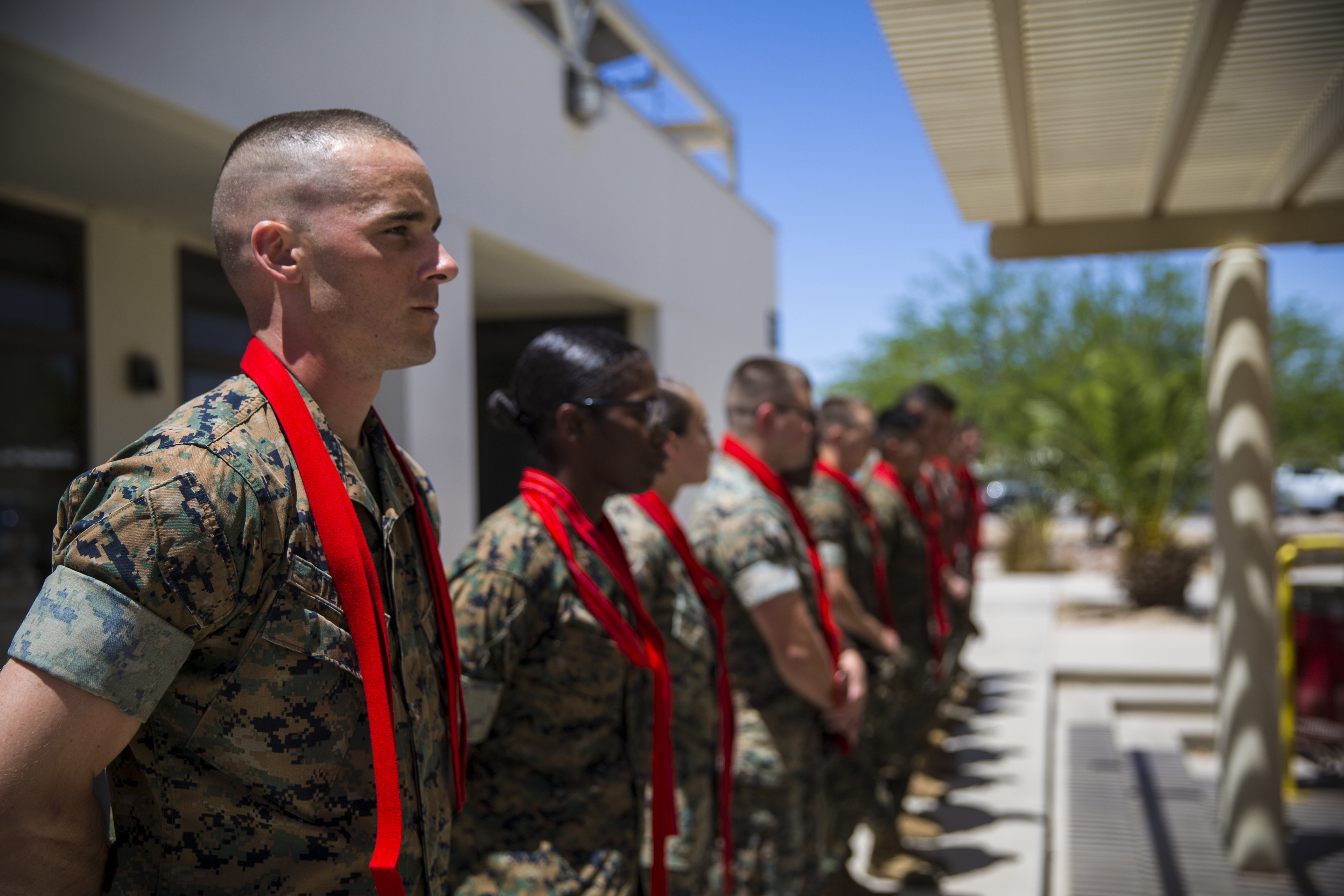
The scarlet stripe down the dress-blue trousers of NCOs and officers honors, by tradition, the Marines who fell storming Chapultepec in 1847 - the "Halls of Montezuma." Rank has a price. It was paid in advance.
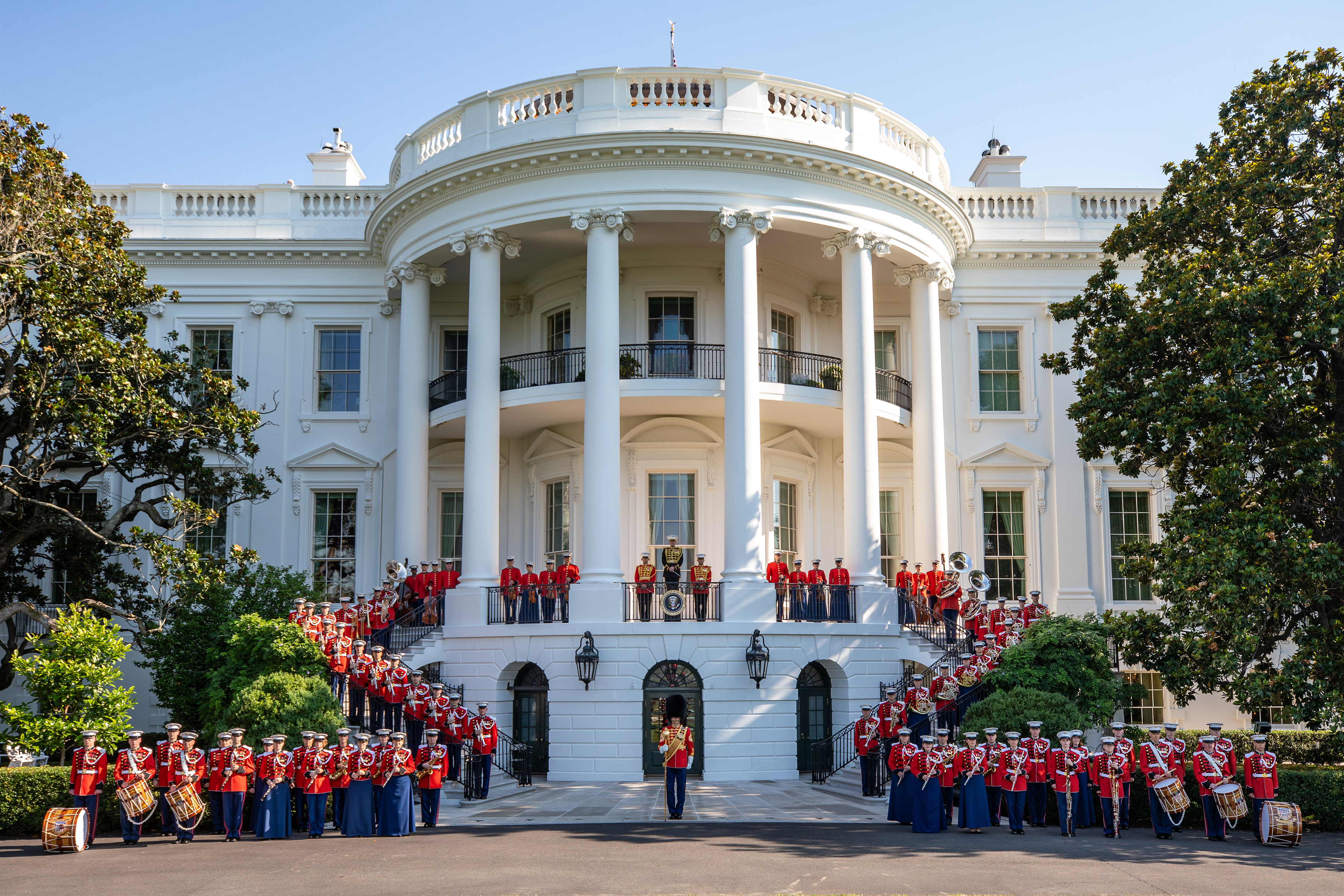
Founded by Act of Congress on 11 July 1798 - signed by President John Adams - the United States Marine Band is the oldest continuously active professional musical organization in America. It has played for every president since Adams; Jefferson gave it the title "The President’s Own." John Philip Sousa led it from 1880 to 1892. And the Marines’ Hymn they play is the oldest official song in the United States military - borrowed from an Offenbach opera, naturally. That recording hiding on this site? That’s them.
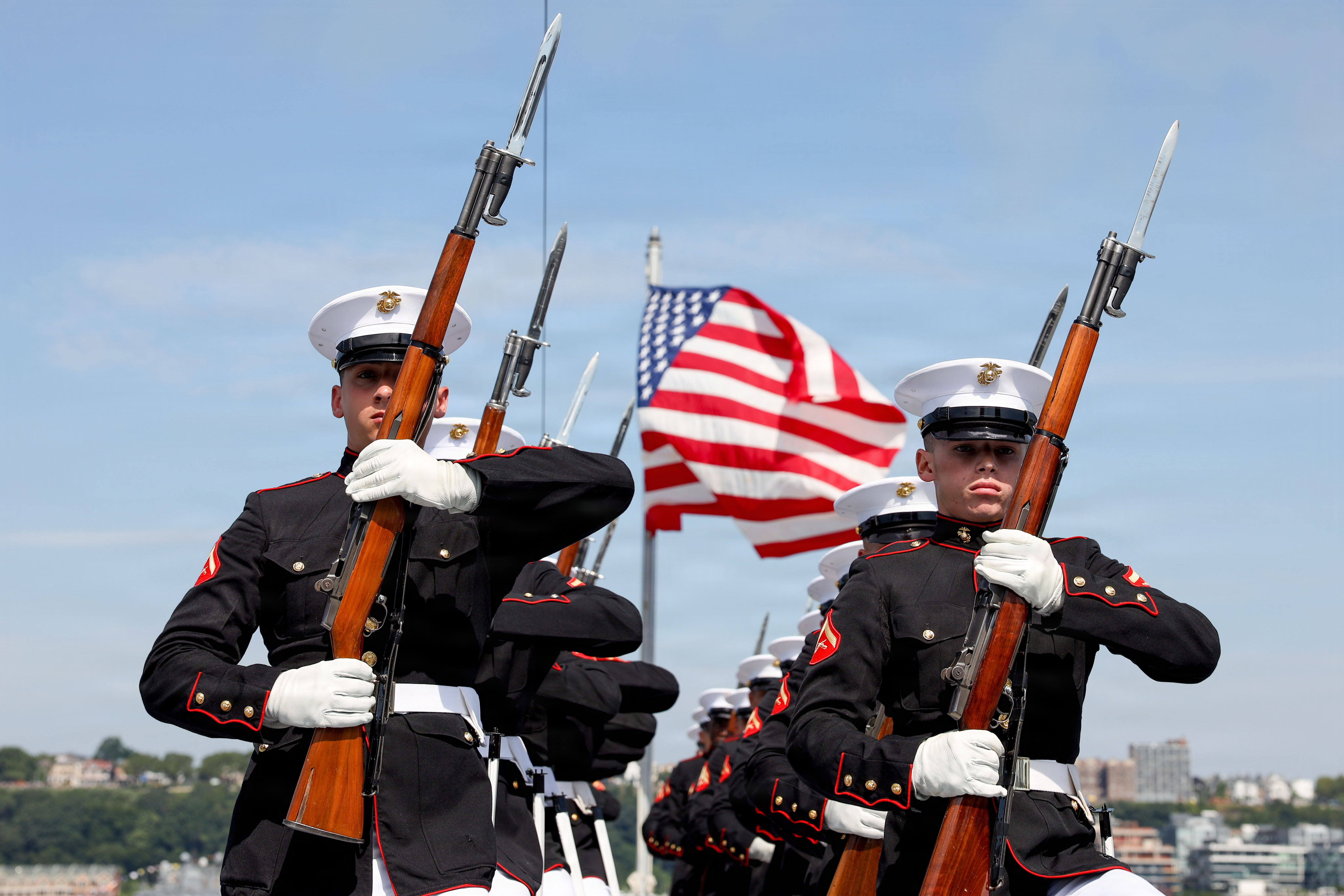
Twenty-four Marines, hand-picked from the infantry, who perform a ten-minute rifle drill without a single spoken command. Ten-and-a-half-pound M1 Garands with fixed bayonets spin, pass, and land in open palms - the only sounds are slaps of hands on wood and steel. Formed in 1948 at Marine Barracks Washington, "8th & I." The precision isn't a trick. It's what discipline looks like when you polish it for 76 years.
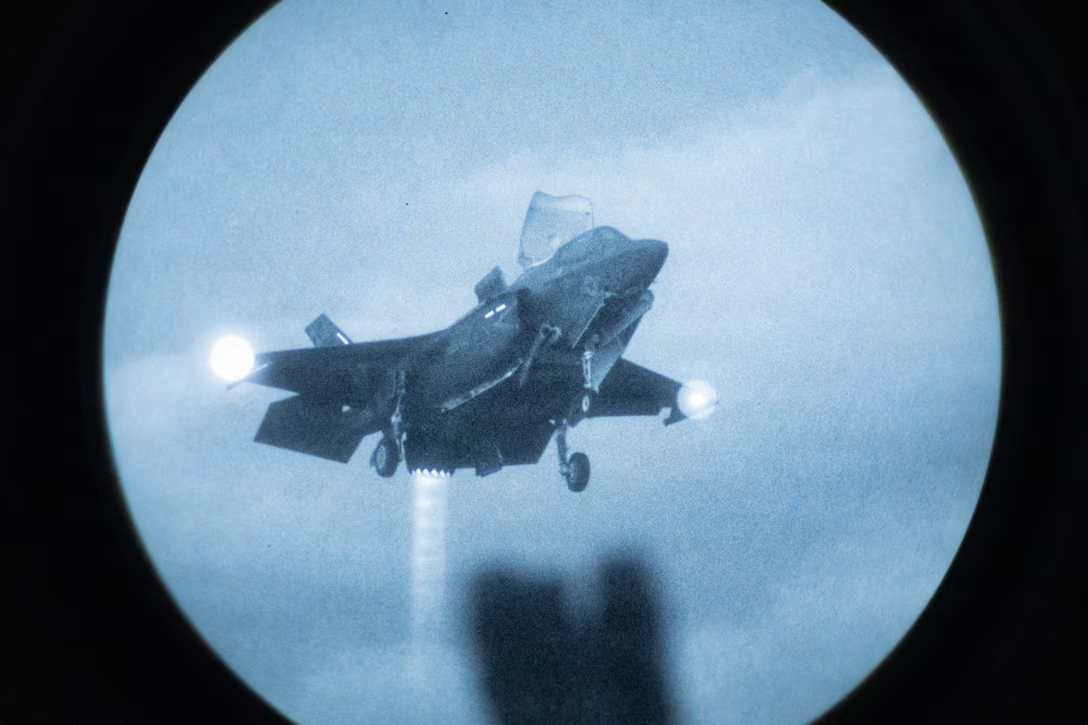
The Corps keeps its own aviation - not as a courtesy, but as doctrine. Since Cunningham soloed in 1912, Marine pilots have flown for one customer: the rifleman on the ground. Corsairs at Guadalcanal, helicopters at Khe Sanh, Harriers off amphibs, and today the F-35B, hovering onto a ship's deck at night. The aircraft change. The job description doesn't: get low, get dirty, and answer when a Lance Corporal calls.
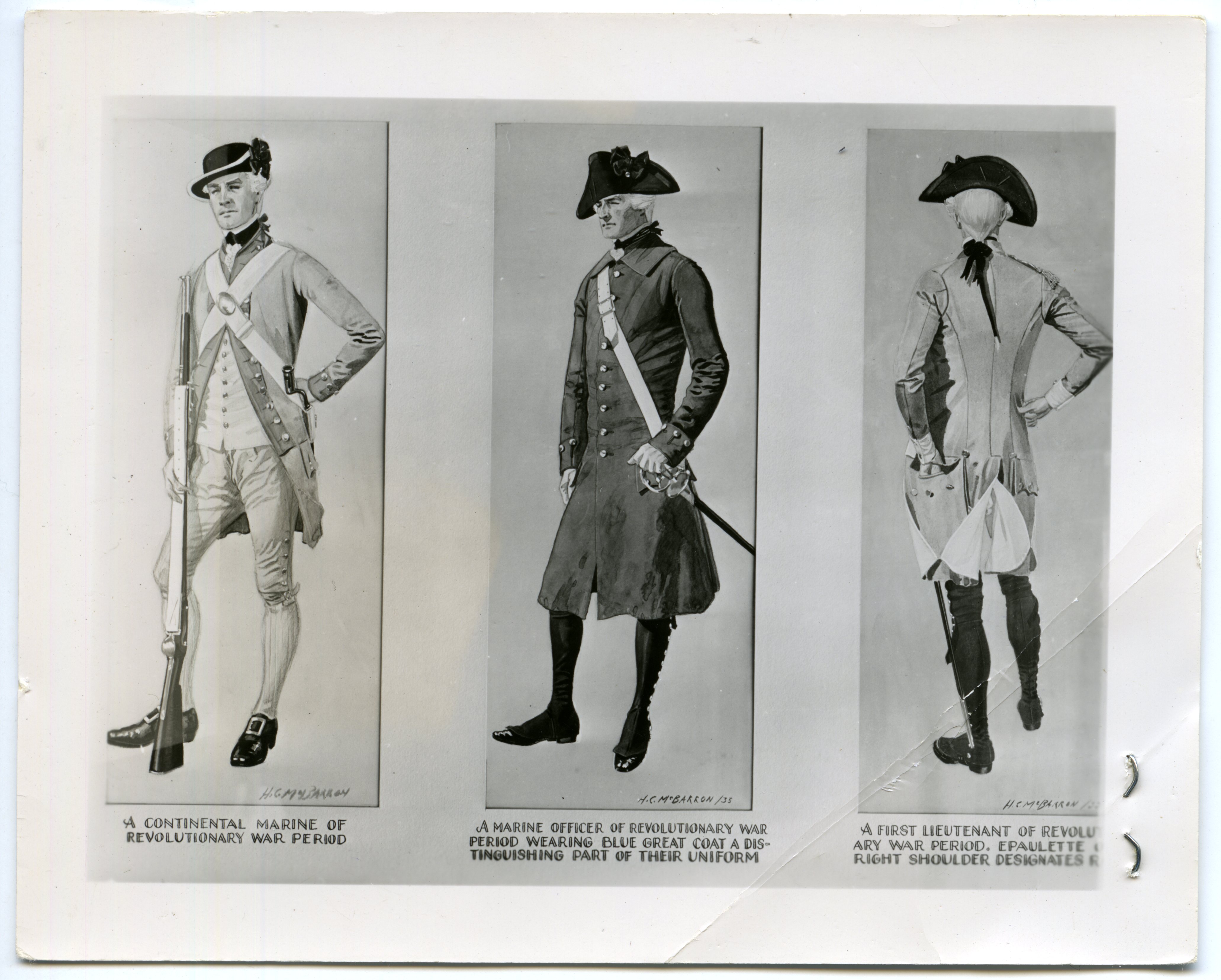
The first Marines earned their keep aboard ship - sharpshooters in the rigging, boarding parties, and sentries guarding the captain and the powder magazine. Marines stood sea duty on Navy warships for more than two centuries, until 1998. The watch didn't end; it moved ashore: since 1948, Marine Security Guards have stood post at U.S. embassies worldwide - the only service entrusted with guarding America's diplomatic posts. Same job, different quarterdeck.
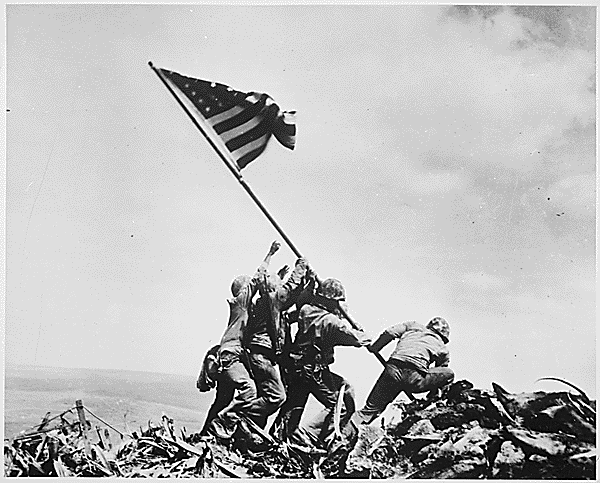
23 February 1945, Mount Suribachi. Of the six flag raisers, three never left the island. "Uncommon valor was a common virtue" - Admiral Nimitz, of the Marines on Iwo Jima. 27 Medals of Honor in 36 days.
Straight facts & sea stories
{{ fc.d }}
You might know a few of us
The title turns up everywhere - screen, stage, ballpark and Billboard. All of these wore the Eagle, Globe and Anchor first.
{{ fm.note }}
The Meritorious Promotion Board
Ten questions of Corps lore. The board convenes when you answer the first one. Uniform inspection waived. Knowledge inspection is not.
{{ resultLine }}
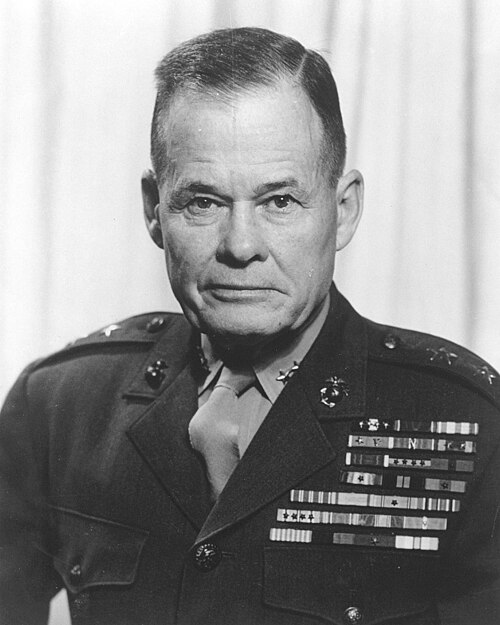
Chesty Says
Ten quotes. Some are things Chesty Puller actually said (or is credibly credited with). Some we made up in the motor pool. Call each one.
{{ csResultLine }}